Moonlight's family and other east coat Scotland dolphins
The story of Moonlight’s extended family and their travels
It has been confirmed that members of Moonlight and Starlight’s family, including her son and grandson, are living just across the water in the Firth of Clyde, where they have been resident since 2020.
If you live on the Isle of Man or have connections here, then you will likely be aware of our resident dolphins Moonlight and Starlight. This mother-daughter pair first appeared in Manx waters back in September 2019, when a dolphin, now known to be ‘Moonlight’ from the east coast of Scotland population of bottlenose dolphins, gave birth to Starlight in Gansey Bay. Three other adult dolphins were present at the time. A video taken on 16th September 2019 shows newborn Starlight with the four adult dolphins, soon after birth.
Two days later, the group travelled round the coast to Peel, were they stayed until 21st January 2020 when Starlight was aged four months. During this time, reports came through of a total of seven dolphins, including Moonlight and Starlight, and photographs were taken on a handful of occasions.
In 2025, Manx Whale and Dolphin Watch were contacted by the Clyde Whale and Dolphin Watch (CWDW), who were discussing Moonlight and Starlight and realised their timings in Manx waters coincided perfectly with the movements of a resident pod of dolphin in the Firth of Clyde.
Photographs taken in Peel in January 2020 were shared and dorsal fin matches were confirmed by both CWDW and MWDW. Lunar (son of Moonlight) has a light-coloured tip to his dorsal fin but it’s only clear in certain light. We can recognise his fin in some of these gallery images. Other dolphins in this Peel encounter are thought to be Zephyr and Zulu, from the same family pod.
Just 80 miles north of the Isle of Man, we can find the Firth of Clyde in South Ayrshire. There, in June 2019, a group of bottlenose dolphins were photographed and the images collated by the CWDW. One image is of Moonlight, who has a distinctive dorsal fin identifiable by two small notches near the tip, proving that she was in the Clyde three months before she came to the Isle of Man.
The group reappeared in the Firth of Clyde in 2020, coming and going for a while before becoming resident there. It was only in 2021 that they were formally identified as members of the east coast population of bottlenose dolphins, the same as Moonlight, and that one of the dolphins was Moonlight’s son, Lunar. Click on the gallery images for captions.
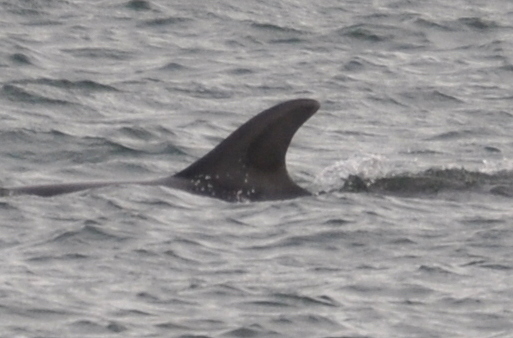
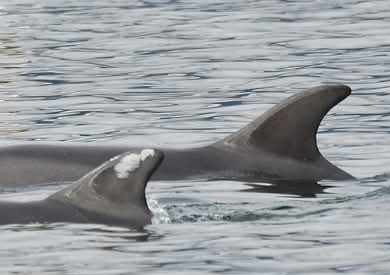
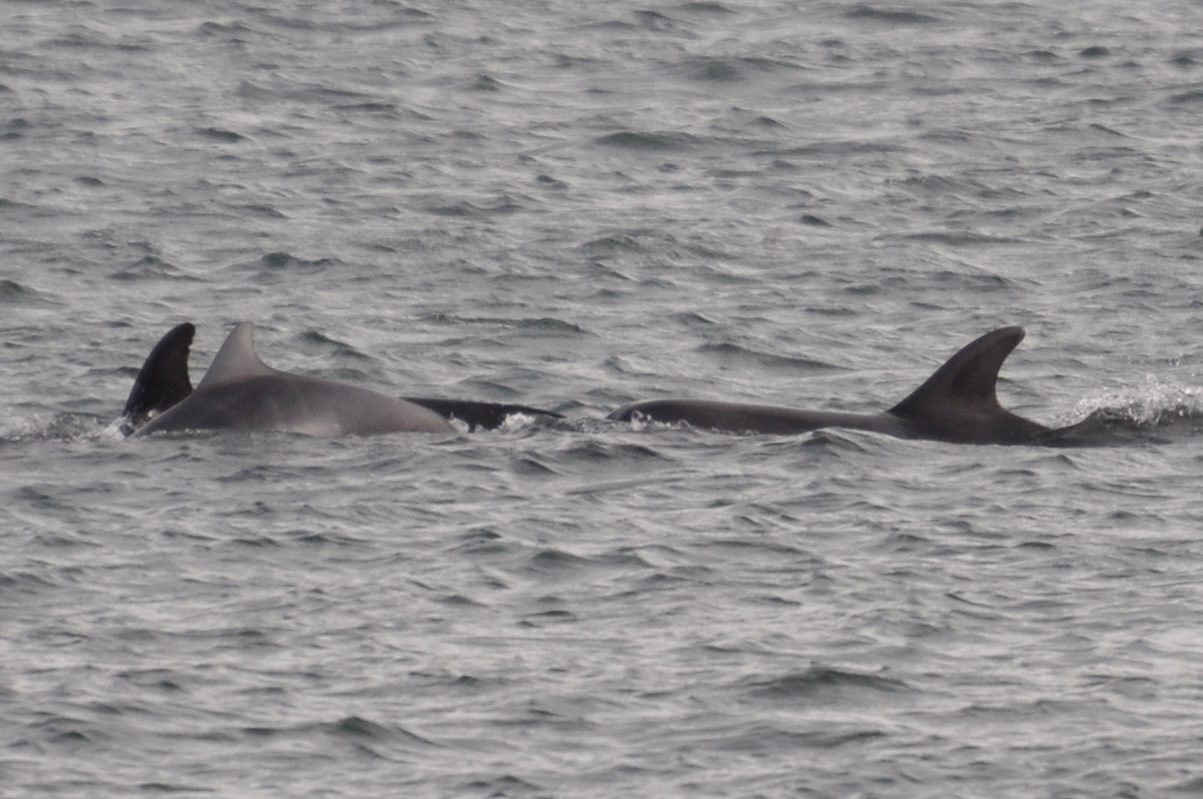
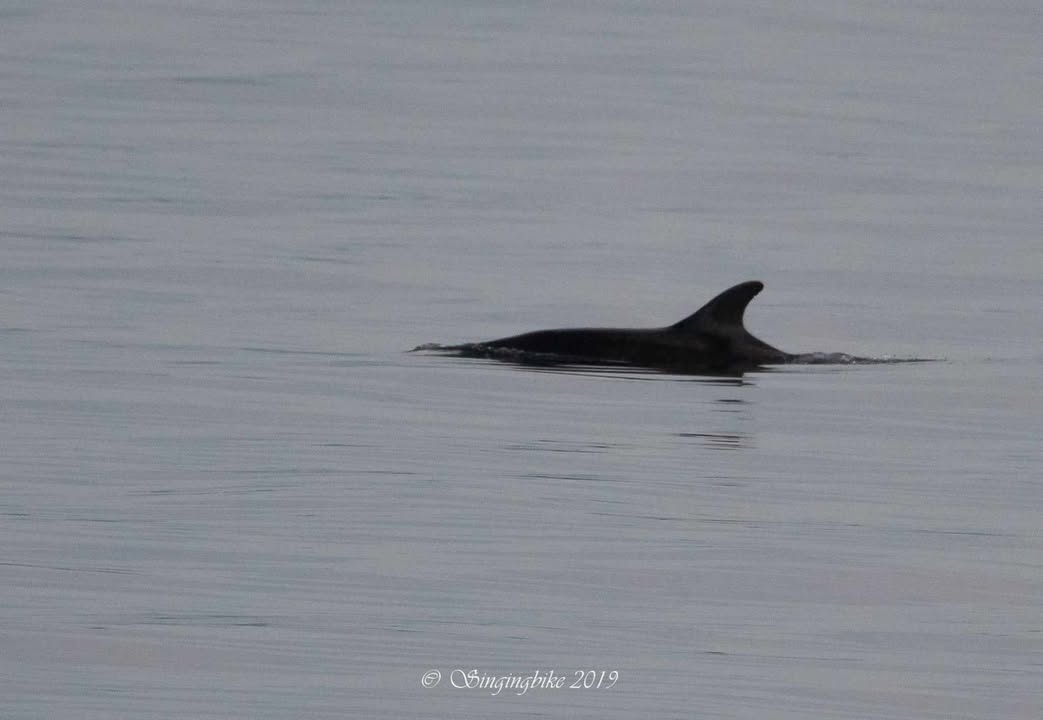
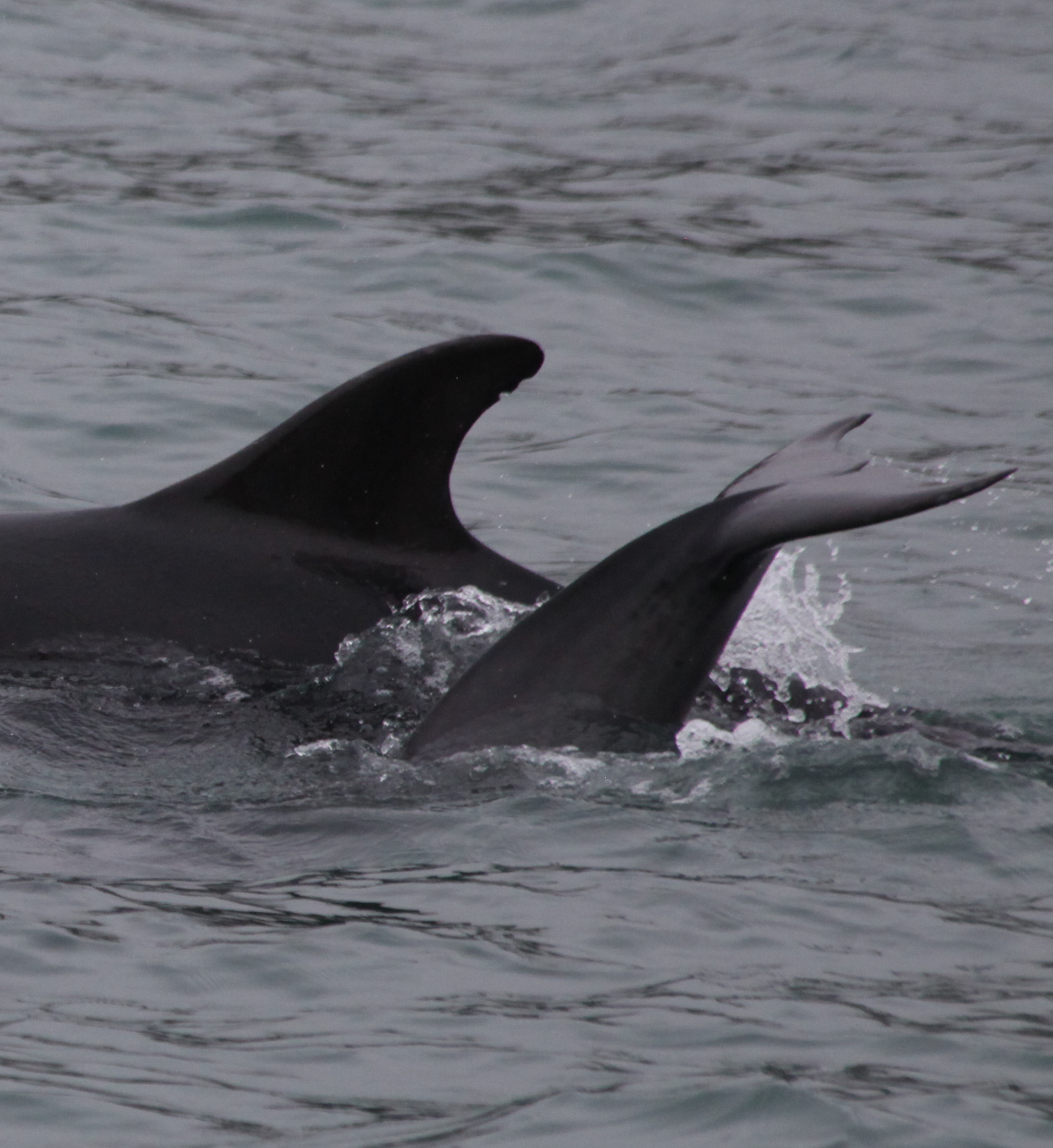
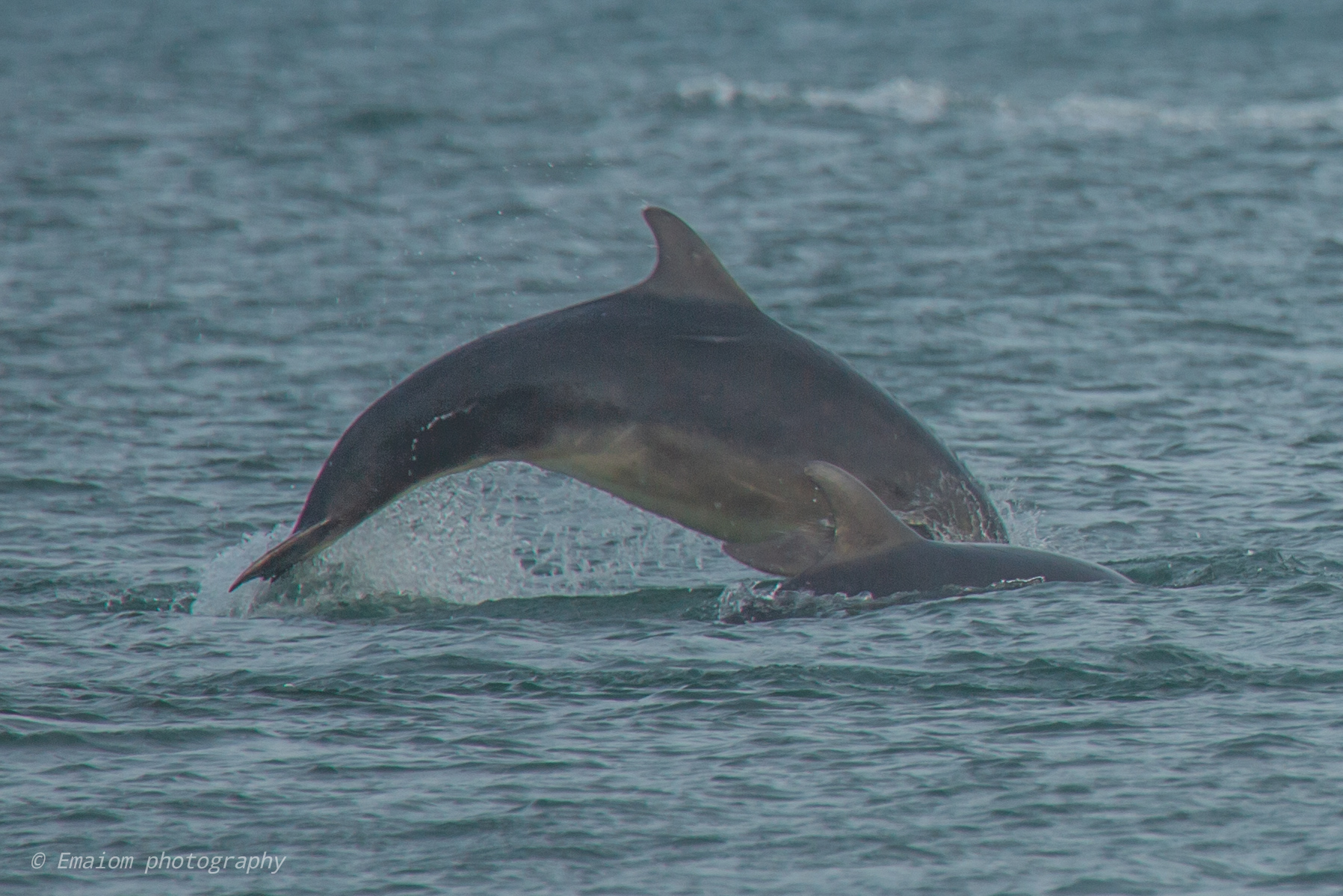
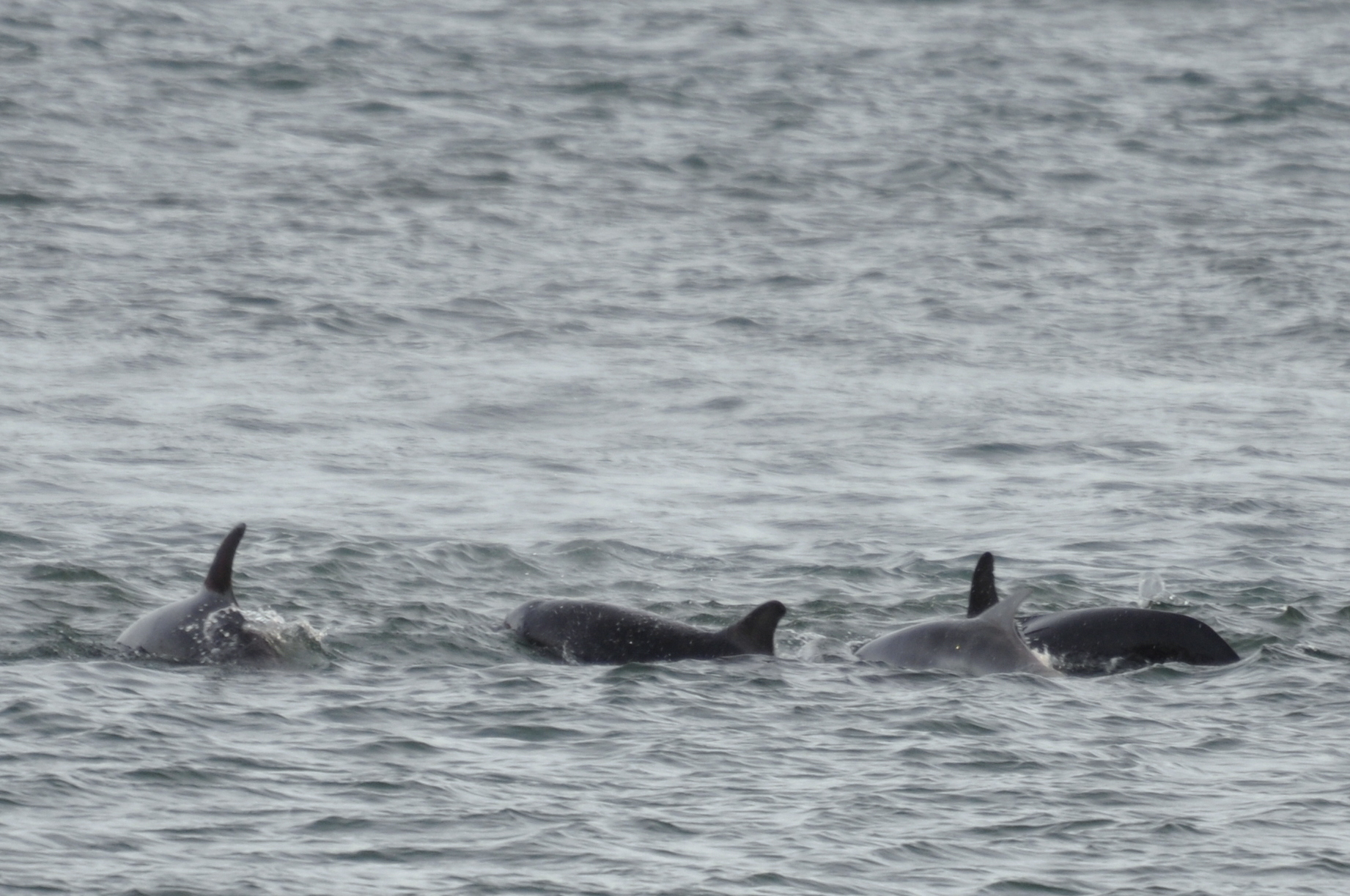
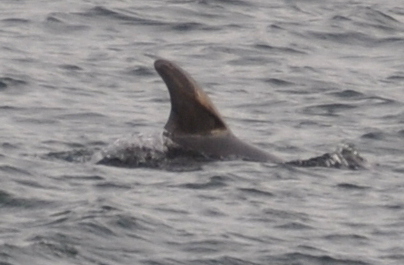
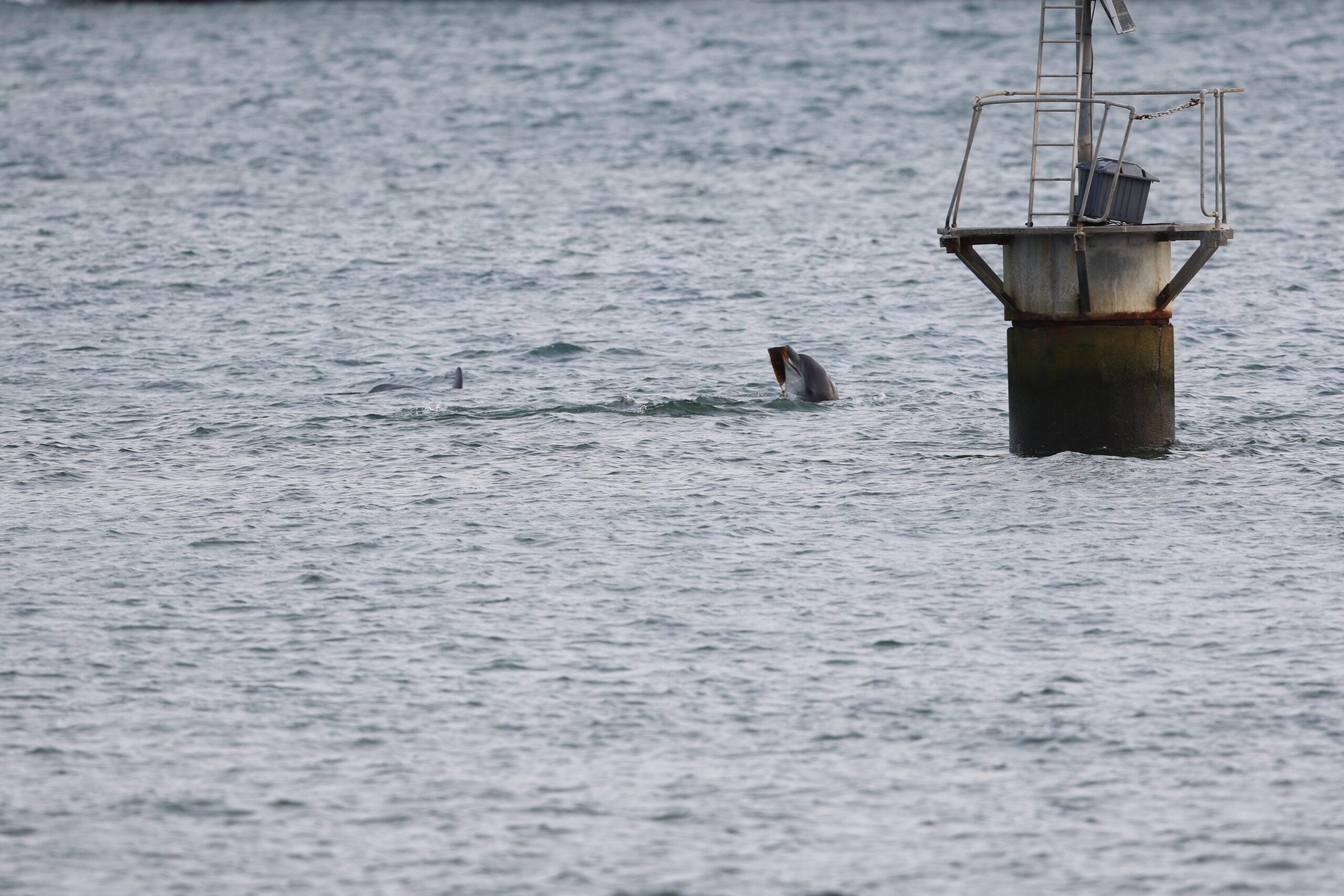
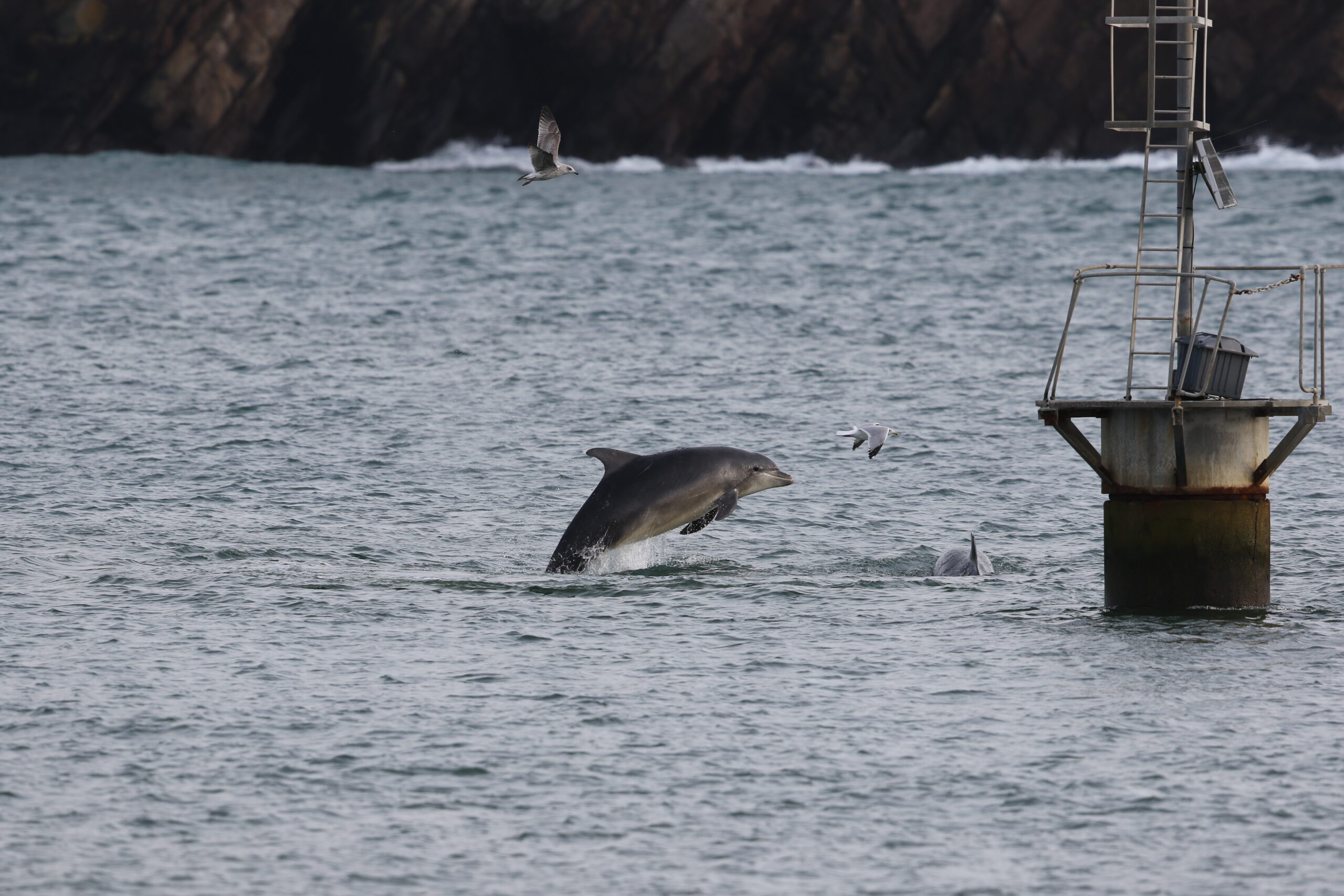
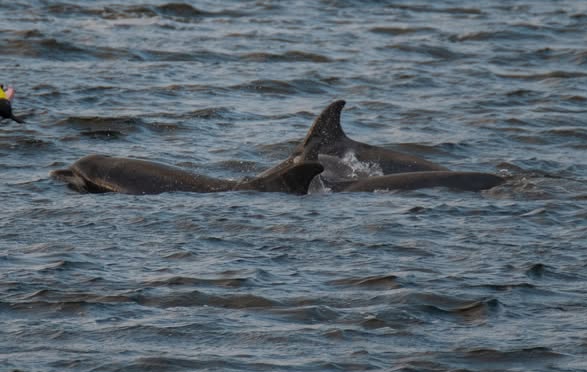
At the time of writing this article (December 2025), the resident Clyde group consists of a total of five dolphins; Lunar, son of Moonlight (male-age 15), Bhodi (female-age 18), Zuzu (female-age 10), Clyde (male-age 3.5) and Splash (female-age 16 months).
Bodhi had a calf named Clyde in 2022, Zephyr passed away in summer 2023, Zuzu had a calf in 2024 named Splash, and Tyler (Squiggle) left in December 2022, now residing in the Strangford Lough area with another male dolphin named Squashie.
It is assumed that that Lunar is Splashes dad, as there were no known interactions with other male bottlenose dolphins when conception took place 11 months prior. We can therefore assume that Moonlight is a grandmother!
Whilst it is possible that Lunar is also Clyde’s dad too, this cannot be ascertained by the CWDW as the group were away when gestation began. We do also know that during the summer of 2021, the group were joined by two other roving male adult bottlenose dolphins who were matched to the Shannon Estuary ID catalogue by the Irish Whale and Dolphin Group. This is the only time the pod went up to 7 individuals.
This group share Moonlight and Starlight’s avoidance of other dolphins, never seen interacting with the Inner Hebridean population of bottlenose dolphins.
Behavioural traits mirrored across the water
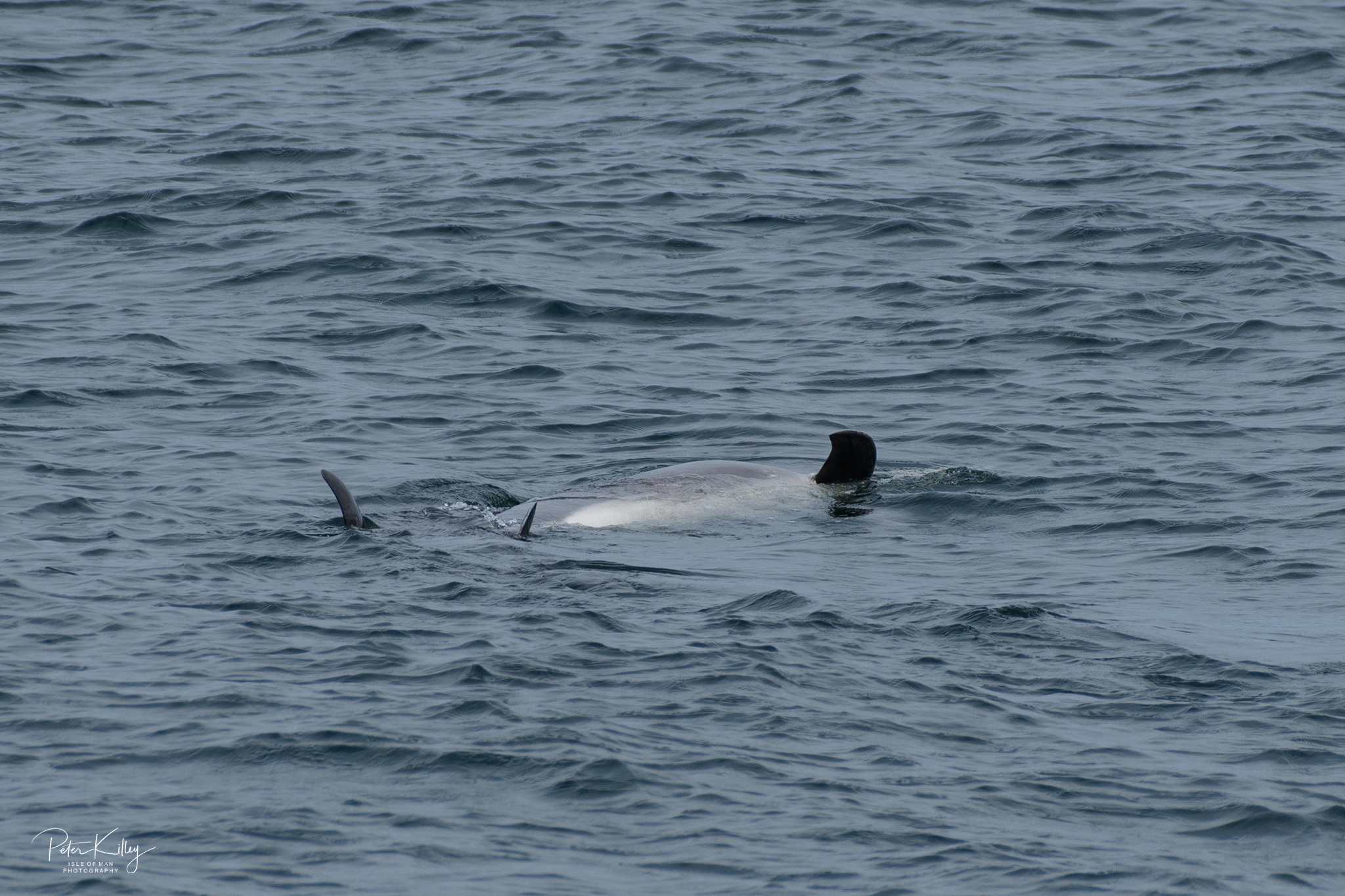
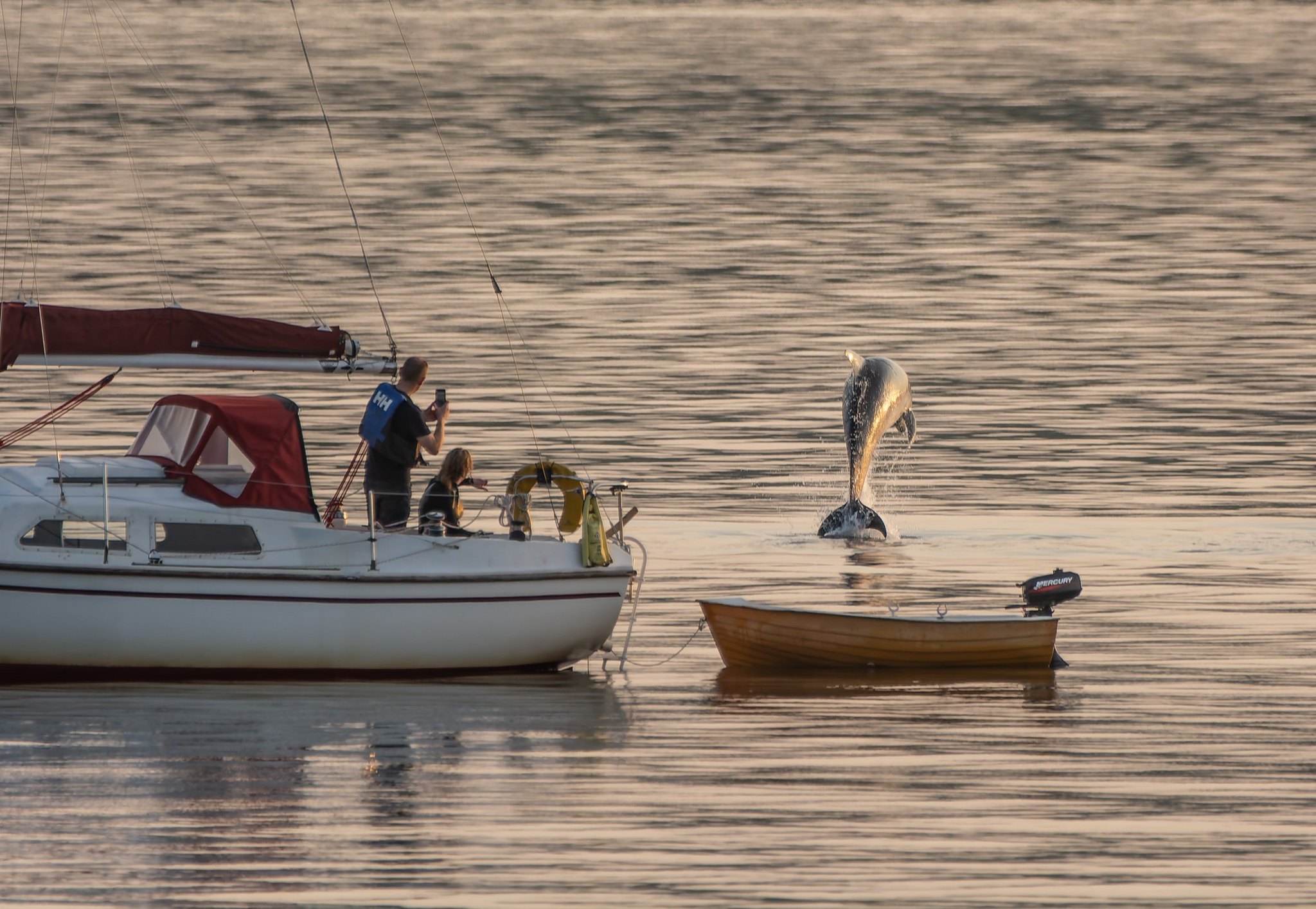
This group displays very similar behavioural traits to that of Moonlight and Starlight, including avoidance of other dolphins (as far as we know), but close interactions with humans, often approaching swimmers, kayakers and paddleboarders and piloting boats in and out of the harbour. Three-year-old Clyde displays behaviours which are mirrored across the water by Moonlight and Starlight. These include Moonlight’s ‘playing dead’ game, which to our knowledge has only ever been documented by Moonlight and Clyde.
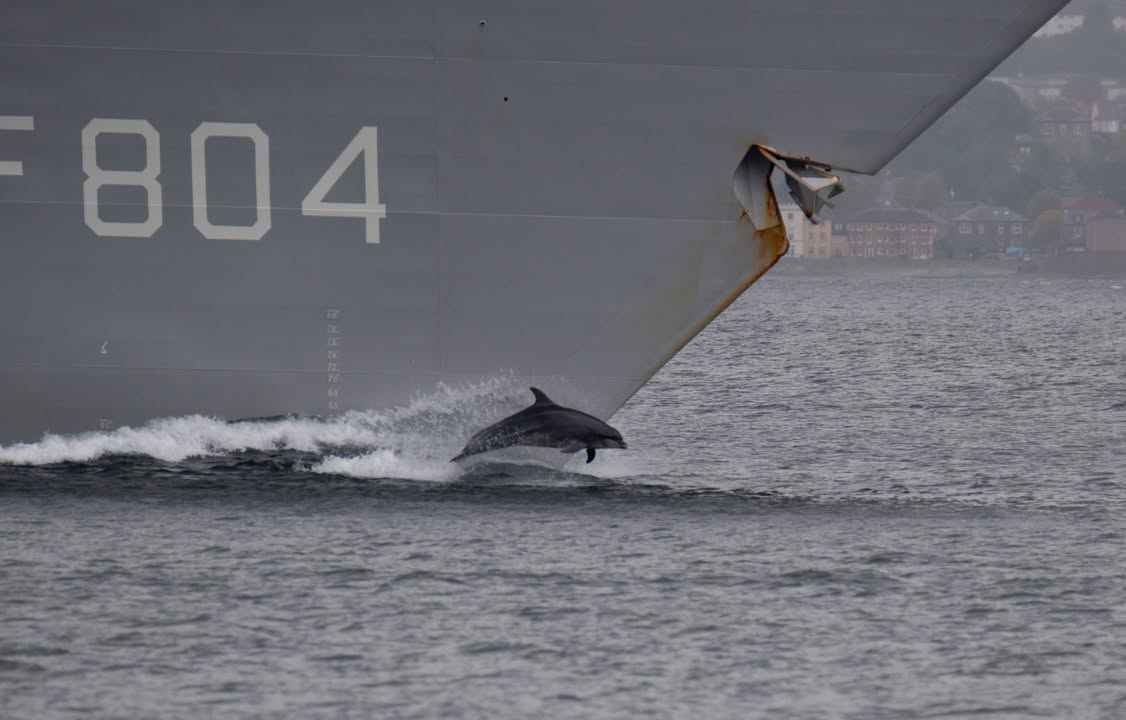
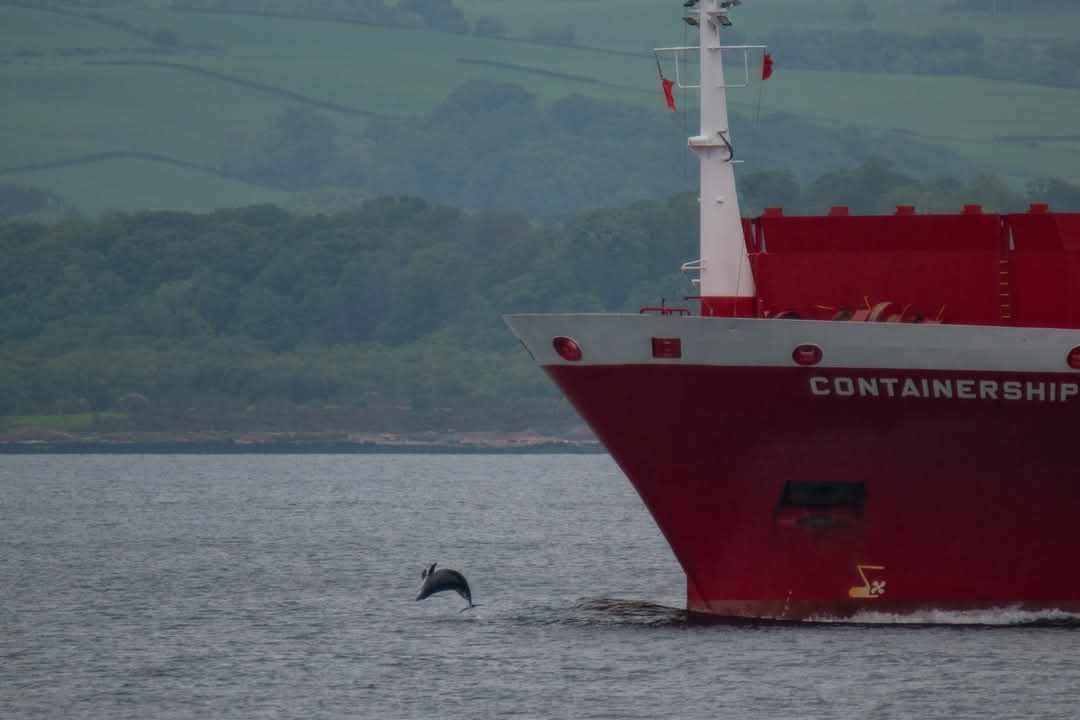
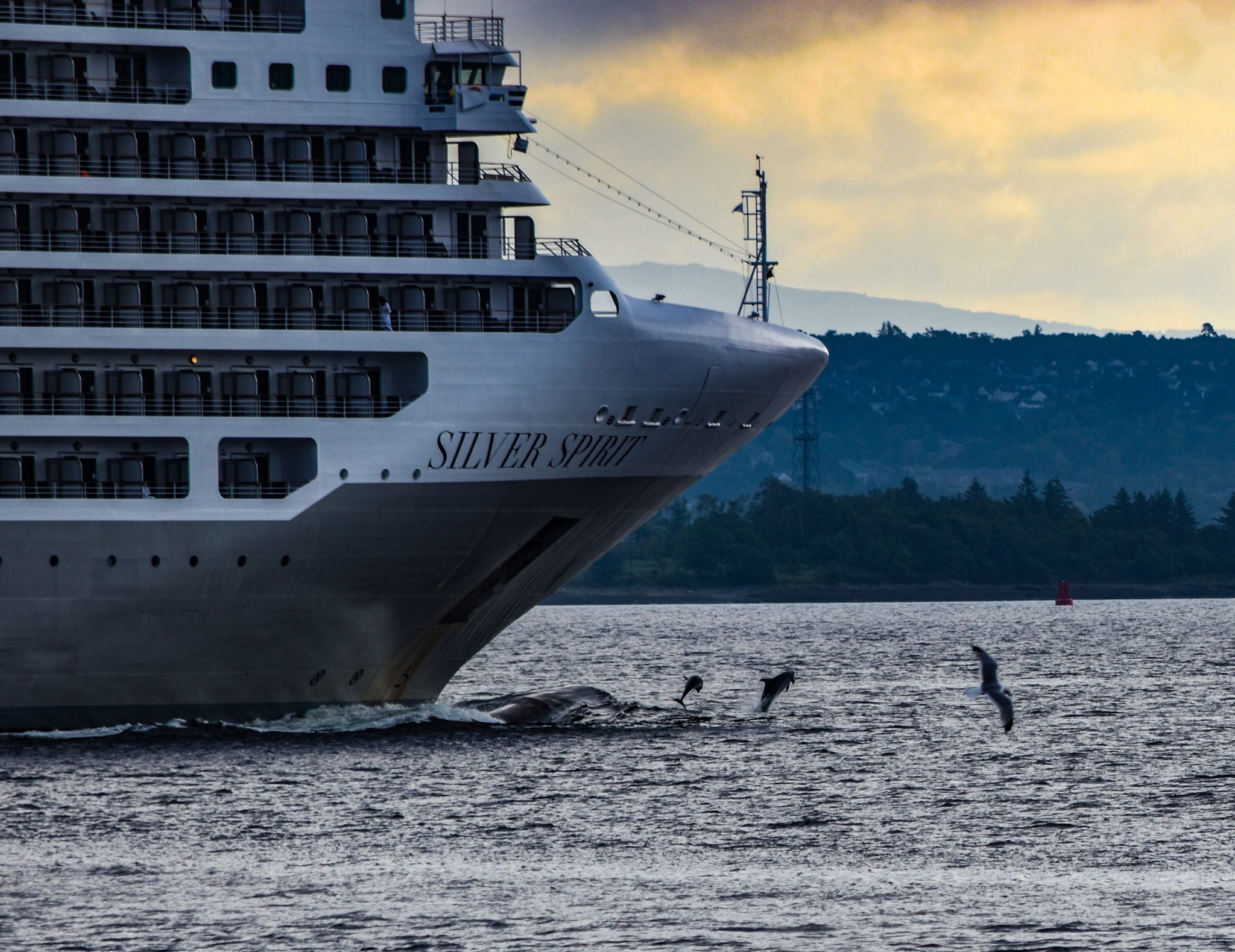
Clyde’s ability to spin 360 degrees under the water whilst bow-riding a vessel is something we see Starlight do quite regularly. The group has a particular obsession with a fleet of three red-hulled shellfish trawlers, following them around relentlessly for hours on end. These vessels fish for langoustines and prawns and MWDW theorises that the dolphins collect easy pickings from the sides of the nets, in return guiding the fishers on where to trawl.
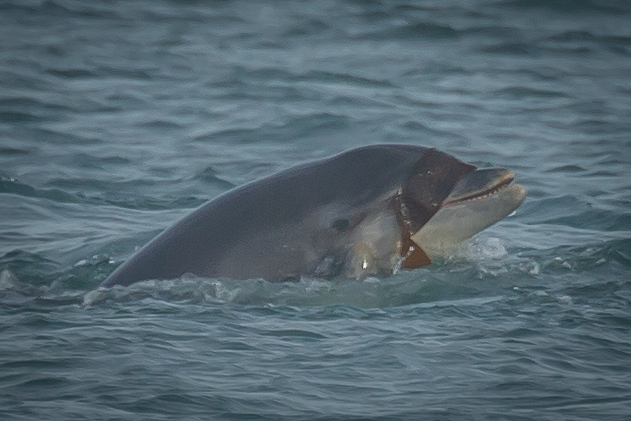
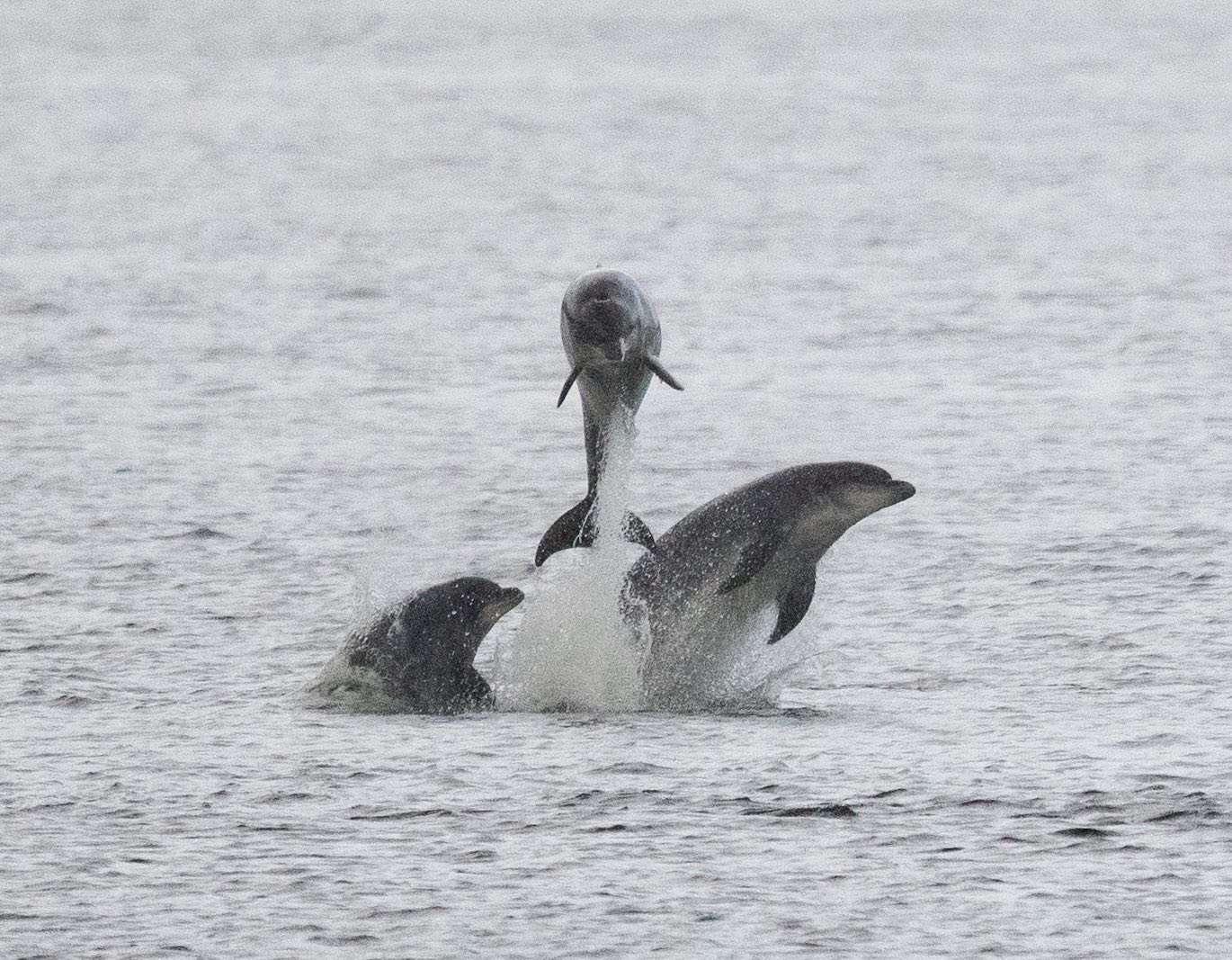
In bottlenose dolphins, specific behavioural traits are known to be passed down from one generation to the next. These include social, play, and hunting techniques. In the east coast of Scotland population, bottlenose dolphins regurgitate salmon, and flip them in the air, to allow for headfirst swallowing. We see Moonlight and Starlight doing the same in Manx waters with various species of large fish. These learned behaviours are a sign of high intelligence and strong social bonds.
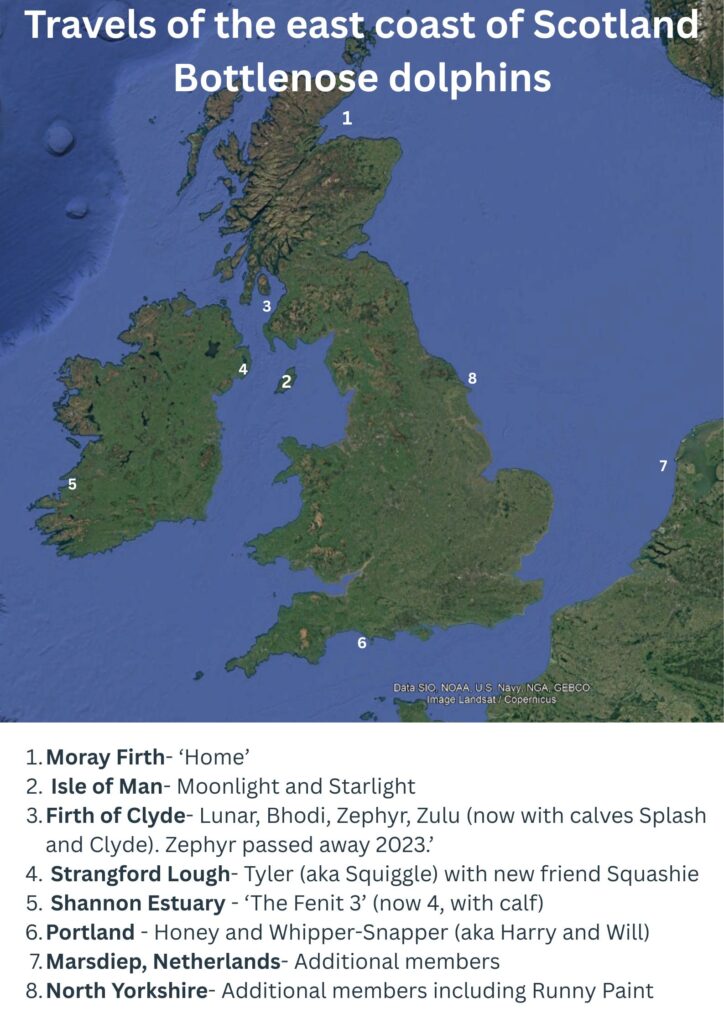
Movements of the east coast of Scotland dolphins and what we know today
Moonlight was first identified in the Moray Firth as a sub-adult back in 1996, around the same age that Starlight is today (6), making her at least 35 years of age. She was part of the resident population of Bottlenose dolphin within the Moray Firth studied by the University of Aberdeen’s research programme.
- In March 2019, after spending her entire life in the Moray Firth, Moonlight, her two sons, Lunar and Shadow and around 30 other dolphins left their home.
- Some group members were photographed off the coast of Caithness, including well known female ‘Spirtle’, who is distinctive due to significant white scarring, a result of sun damage from when she stranded in 2016.
- Through 2019, the group split off, with individuals travelling considerable distances to different areas; Honey and son Whipper-Snapper, went to the English Channel and set up home in Weymouth where they became known locally as ‘Harry and Will’.
- Tyler (also known as Squiggle) crossed the Irish Sea to Strangford Lough where he has befriended another lone young male called Squashie. The pair have recently been documented showing sexual behaviour towards sail boats.
- Three dolphins went over to the Shannon Estuary on Ireland’s west coast, one of whom now has a calf, and are known locally as the Fenit 4.
- Multiple dolphins even crossed the North Sea and ended up off the coast of the Netherlands!
- Moonlight, Lunar and co travelled to the Clyde and the Isle of Man.
- Additional members of the east coast Scotland population have since travelled further south and are now regularly seen off the North Yorkshire coast, including ‘Runny Paint’, a female with a distinctive, white-edged dorsal fin.
Solitary dolphins
Although Moonlight and Starlight come as a pair, they display similar behavioural traits to those observed in ‘solitary sociable dolphins’, a term used for dolphins that either become outcast or choose to leave their pod. Due to their strong social instinct, they often seek out human interaction, all too often becoming habituated within a particular area such as a bay or harbour.
Readers may be familiar with ‘Fungie’, a male bottlenose dolphin who resided in Dingle, Ireland, for 48 years until his demise in 2020. Fungie had a whole tourist industry built around him and was constantly surrounded by boats from morning till night.
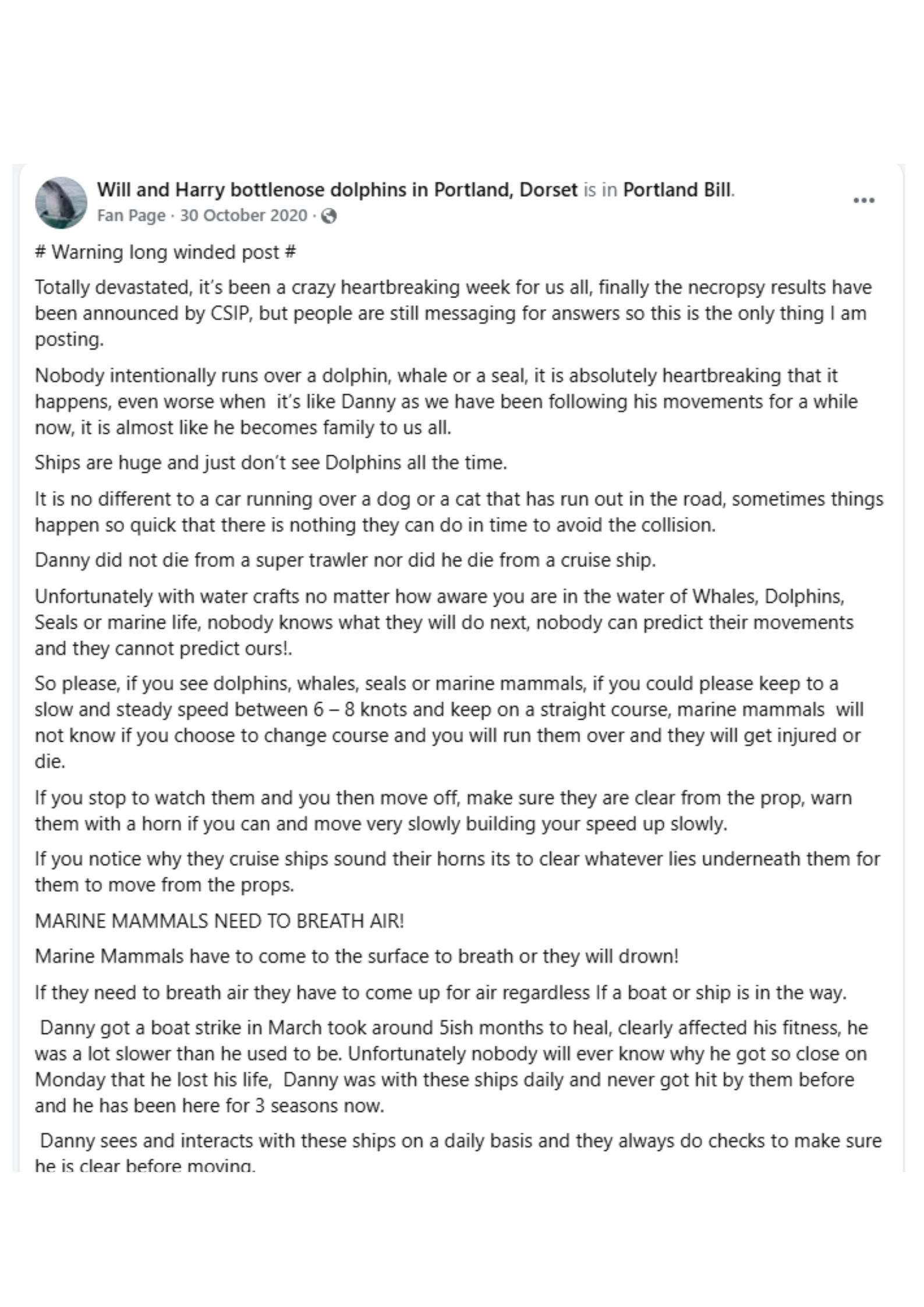
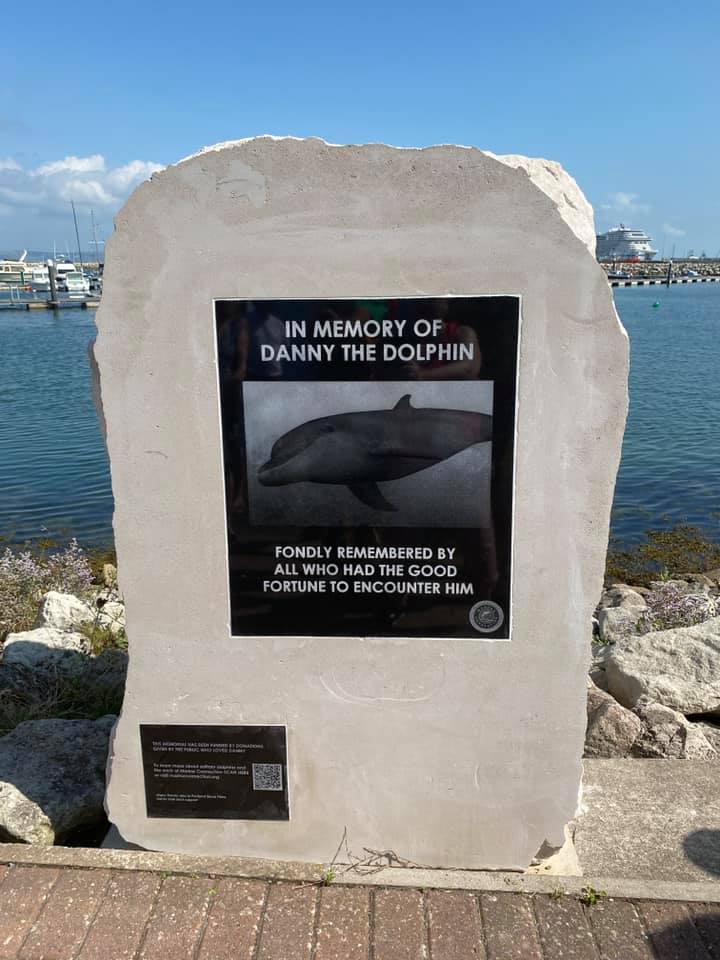
One sad case is that of ‘Danny’, an extremely confident solitary bottlenose dolphin in Dorset, who lost his life in 2020 from a boat strike.
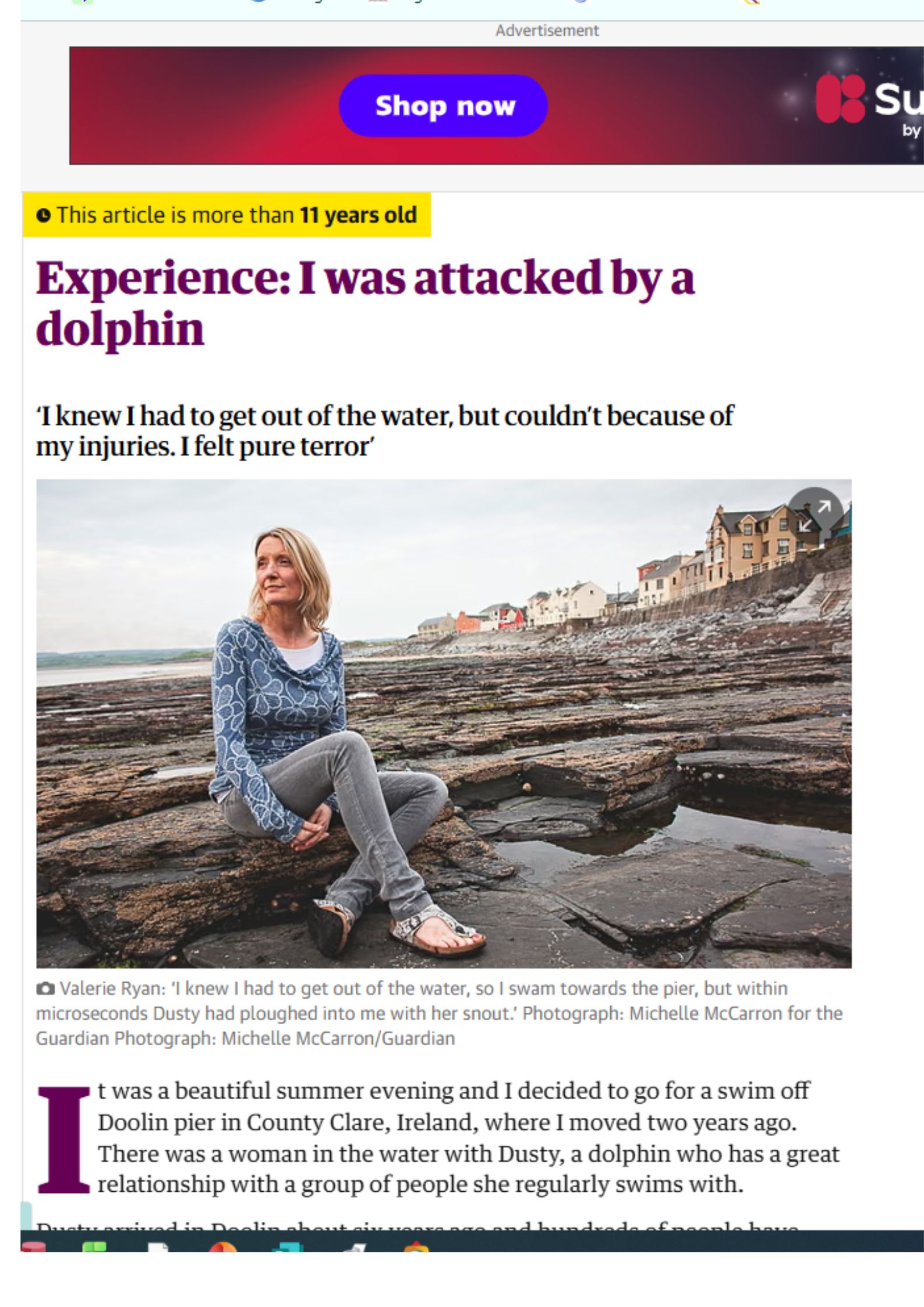
Over in Ireland, ‘Dusty’ who has been resident to County Clare For 25 years, while usually appearing friendly, has been known to ‘pin’ people down onto the seabed and to ram into people with such force that they have been left with severe physical injuries and mental trauma. There was a period of time around 10 years ago when this behaviour became frequent and authorities put warning signs around the harbour. Read one women’s story of how she was attacked by Dusty.
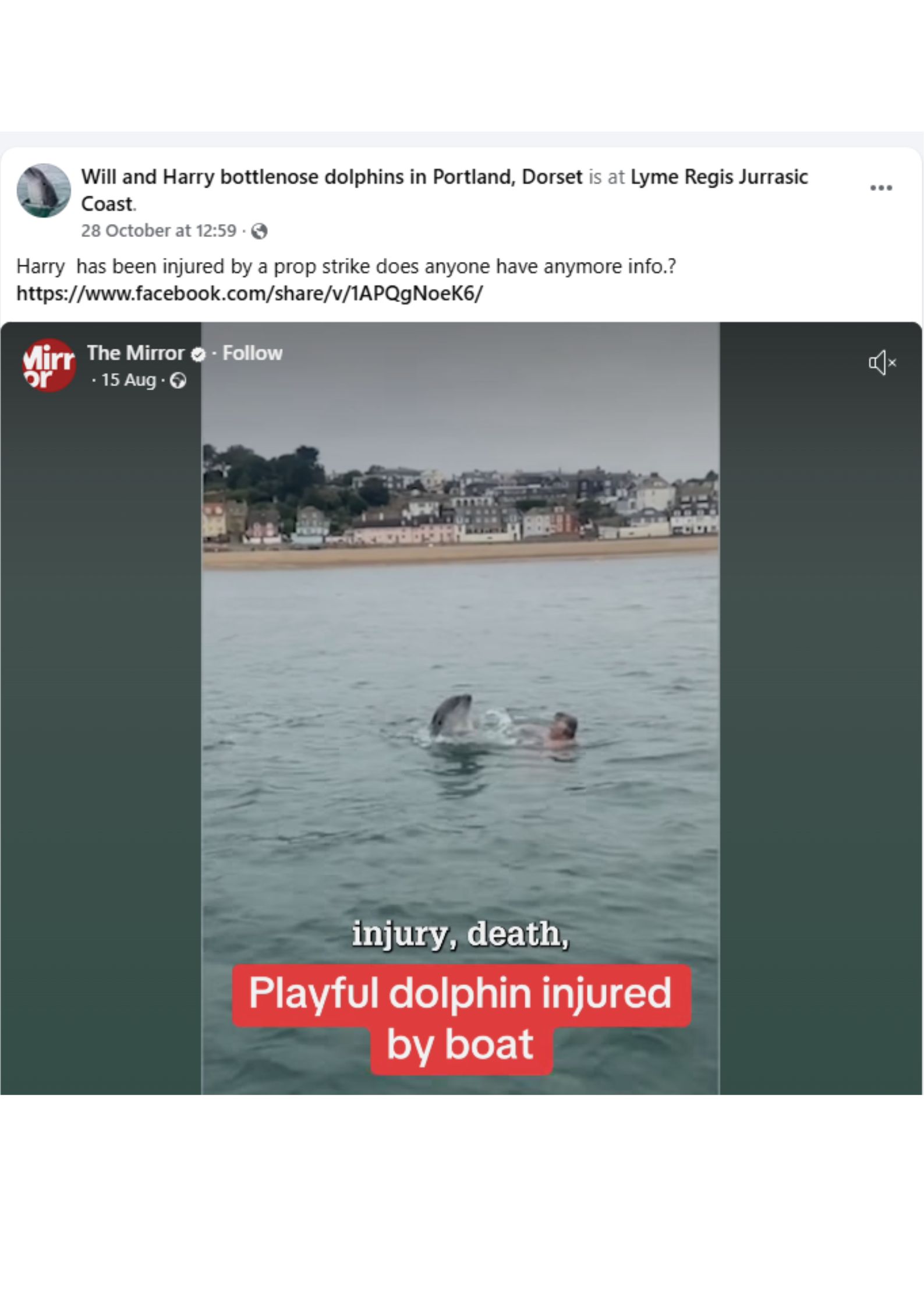
Aggressive behaviour has been seen more recently in ‘Harry’, mentioned earlier as East coast Scotland dolphins ‘Honey’ and ‘Whipper-Snapper’, aka Harry and Will in Portland, Dorset. In Summer 2025, Harry travelled 50 miles along the Dorset coast and started displaying aggression towards swimmers. Experts in the area are very concerned for Harry’s welfare following an increase in people jumping in the water to be with him, and in October he was injured by a boat propeller.
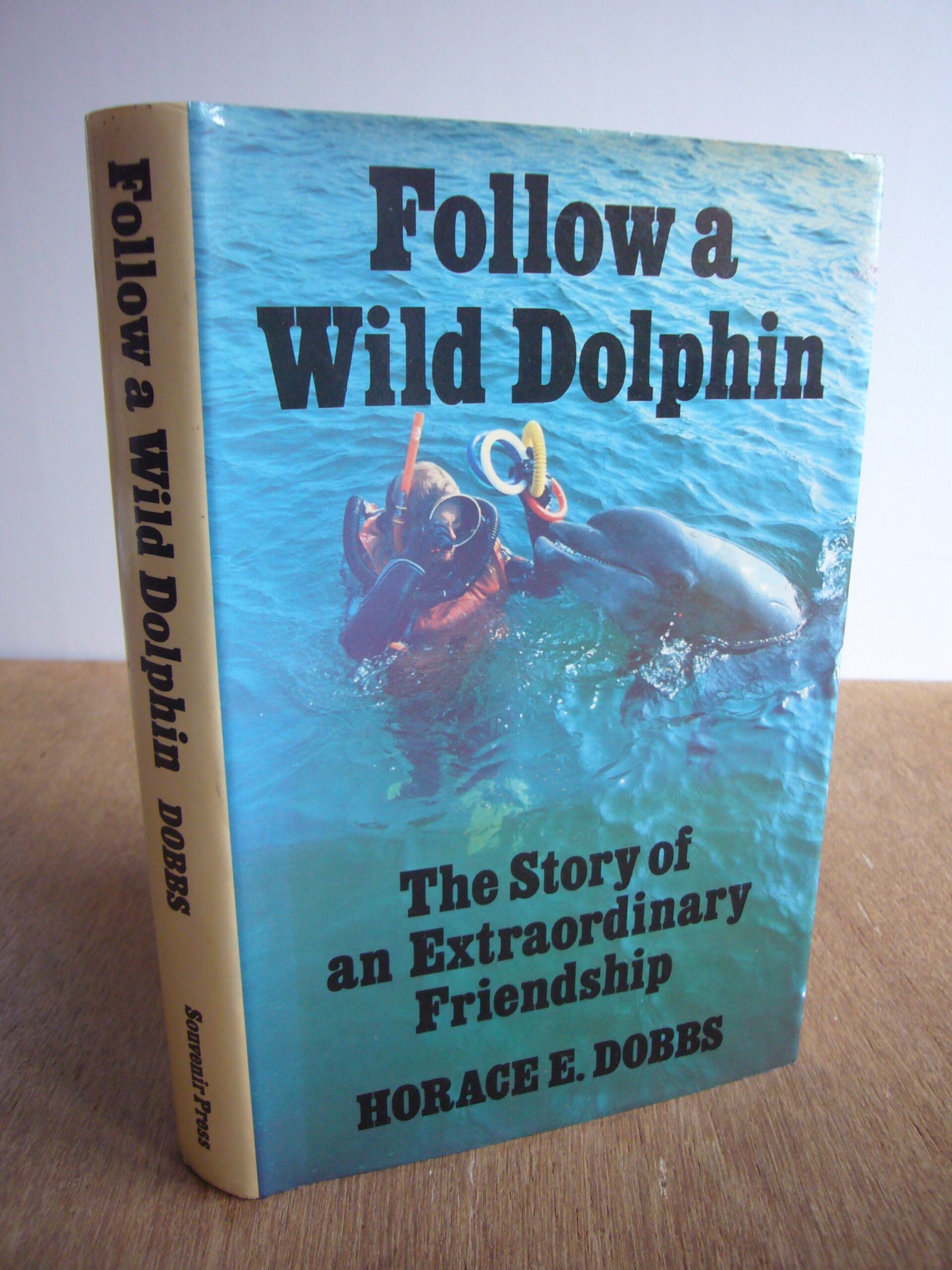
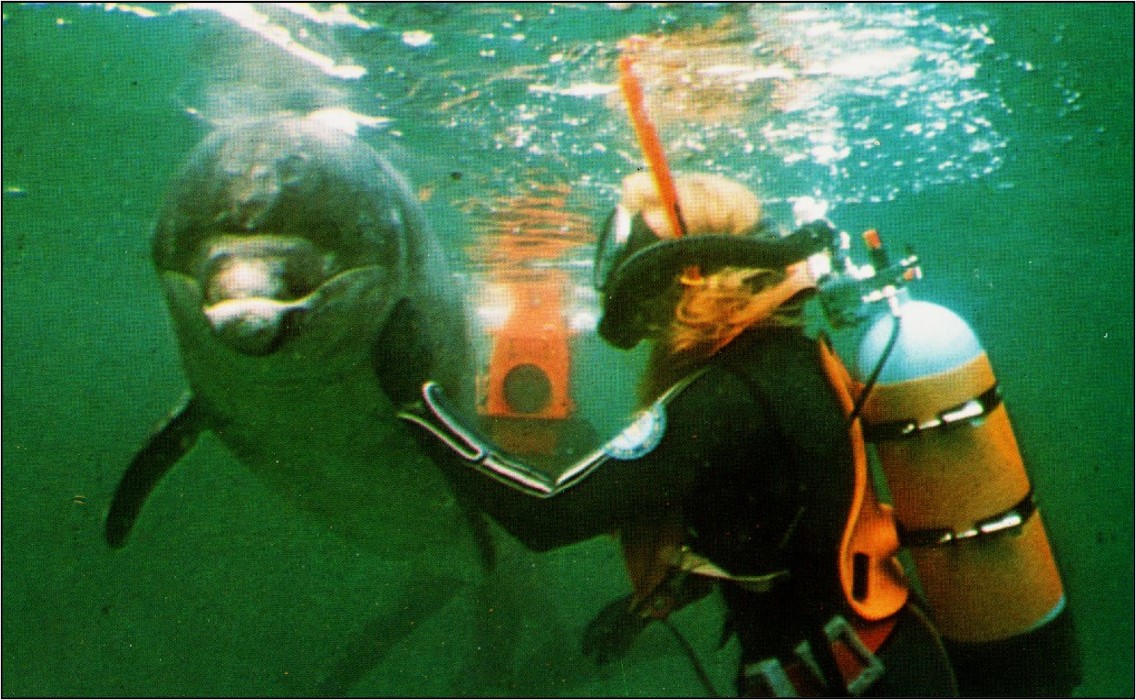
Marine Connection have put together a very informative document, Lone Rangers (2024) listing every known solitary sociable dolphin from across the globe. You will note that Moonlight and Starlight are not included in the document as they cannot be classed as solitaries. However, number 11, ‘Donald’ aka ‘Beaky’ 1972-1979, was resident to the Isle of Man for 4 years before travelling to Wales. Readers from an older generation may remember Donald, who resided in the south of the island. During his time here, he befriended certain divers and became overly possessive of them, he was also stranded, refloated and shot by a fisherman. The book ‘Follow a Wild Dolphin’ by Horace E. Dobbs was written about him.
Please click through the gallery to your right for clearer images.
What does the future hold for Moonlight and Starlight?
Our most frequently asked question is ‘how long will Moonlight and Starlight stay around the Isle of Man?’ Well, we simply don’t know, they will stay for as long as they choose to. What we can tell you is that they seem very happy here, with an abundance of food and relatively little boat disturbance.
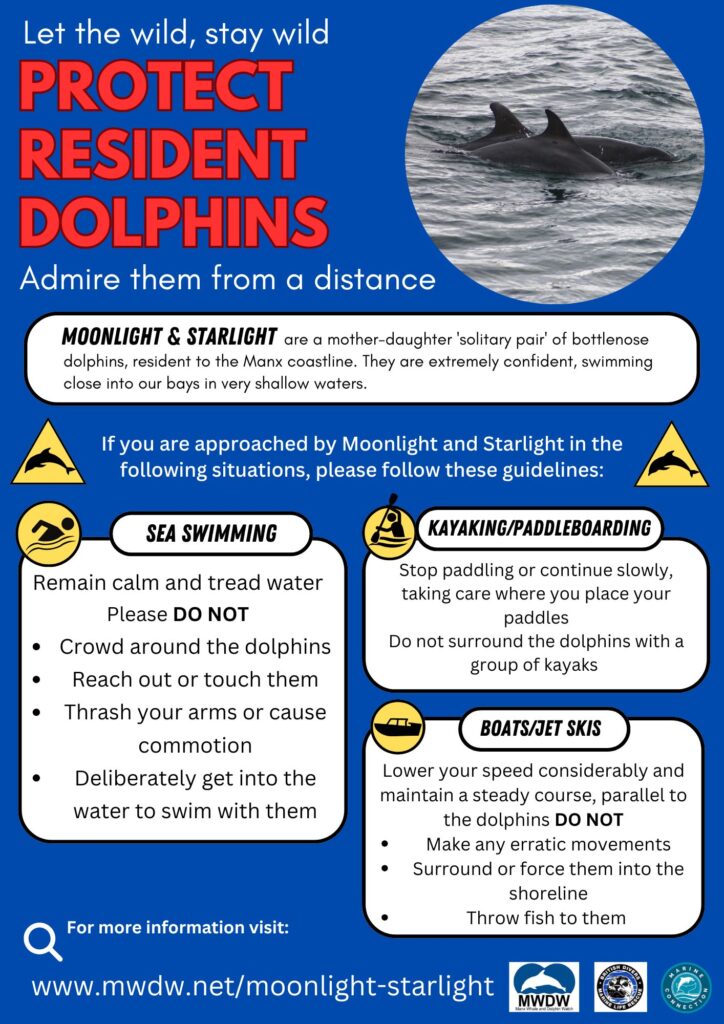
In 2023, MWDW worked with Marine Connection and British Divers Marine Life Rescue to put together the ‘Moonlight and Starlight Code of Conduct’.
It is imperative to remember that we are guests in their habitat. Following these guidelines, we must operate all marine vessels including boats, jet skis, kayaks and paddleboards, responsibly. We must not touch or attempt to hold on to the dolphins if they approach us whilst swimming, and we must never throw fish to them as it encourages confidence around vessels which can lead to injury and potentially death.
The take home message is that whilst Moonlight and Starlight appear happy and friendly, we must remember that they are highly intelligent and physically strong wild animals. It is our duty as the Manx community to ensure the Isle of Man remains a safe place for them to thrive for as long as they remain here.
Ever since their arrival in Manx waters, MWDW have worked endlessly to raise awareness in order to protect and safeguard them. We are very proud of our community for coming together to respect Moonlight and Starlight, but we must keep doing all we can to keep the dolphins, and ourselves, safe.
This article was written by Jen Adams (MWDW) with information provided by Sophie Sheilds (CMMG) and input from Barbara Cheyney (University of Aberdeen).
Discover more about Moonlight and Starlight
History, stories and sightings